
 Scorpions
 Termites
 Roaches
 Ants
 Spiders
 Roof rats & mice
 Bed bugs
 Bees
 Pigeons
 Flies

Do scorpions hibernate in Phoenix?
In this article
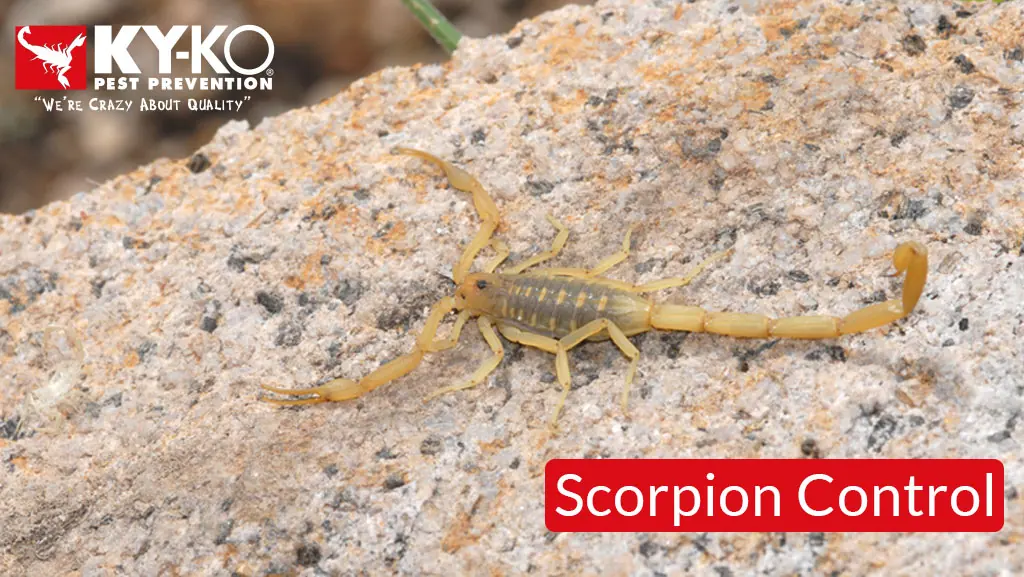
Sort of. Arizona bark scorpions slow way down in winter and stay tucked into hiding spots, but they don't leave and they don't die off. When nights warm back up, they come out again.
Scorpion calls to our office tend to fall off once it gets colder, because scorpions are less active in colder weather. Heavy rains can push them out of their hiding spots and toward homes. One homeowner called us in December to say, "The scorpions are showing up again." Here's where scorpions go in winter, why you might still see one, and how to get ahead of spring.
What scorpions do in winter
Scorpions are generally active when nighttime temperatures stay above 70°F, according to the University of Arizona. When nights cool off, they become much less active.
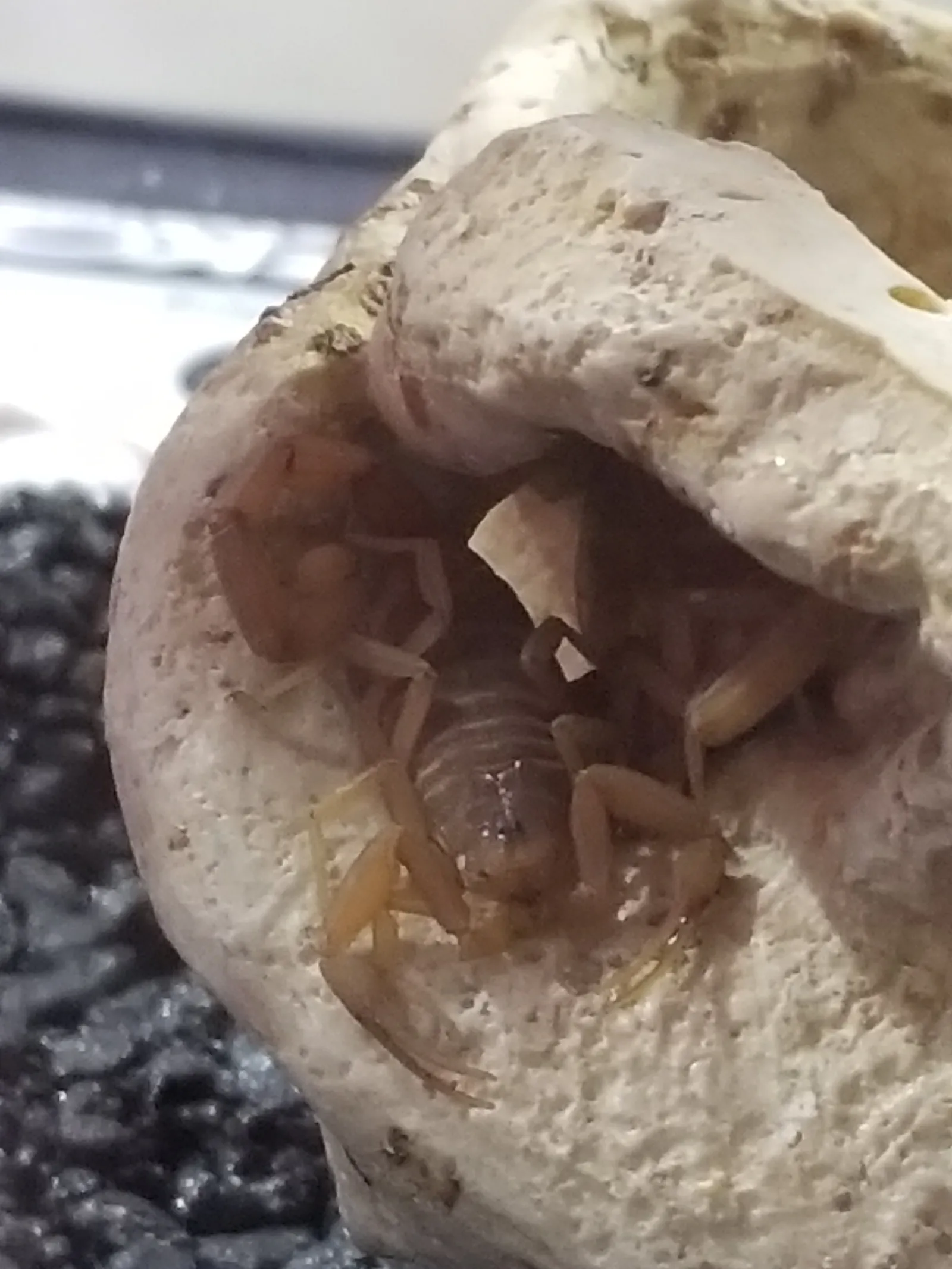
They don't migrate, die off or group up. Bark scorpions typically stay by themselves. Each one tucks into a hiding spot close to where it spent the summer and waits for warmer nights.
Where scorpions go in the winter
They don't go far. Bark scorpions hide under rocks, logs, tree bark and other objects on the ground. Around Valley homes, that means:
- Piles of wood, bricks or rocks
- Gaps in block-wall fences
- Landscape rock and debris next to the house
- Clutter stacked against outside walls
In summer they hide from the heat. In winter they hide from the cold.
Why you might still see a scorpion in winter
Winter in the Valley is mild, and scorpions don't disappear. Scorpion calls tend to fall off once it gets colder, since scorpions are less active in colder weather. But heavy rains can push them out of their hiding spots and toward homes.
Seeing one indoors in winter is worth paying attention to. Even one scorpion inside can mean more are hiding nearby. Scorpions are nocturnal and good at hiding, so problems often go unnoticed until they're bigger.
Pro tip
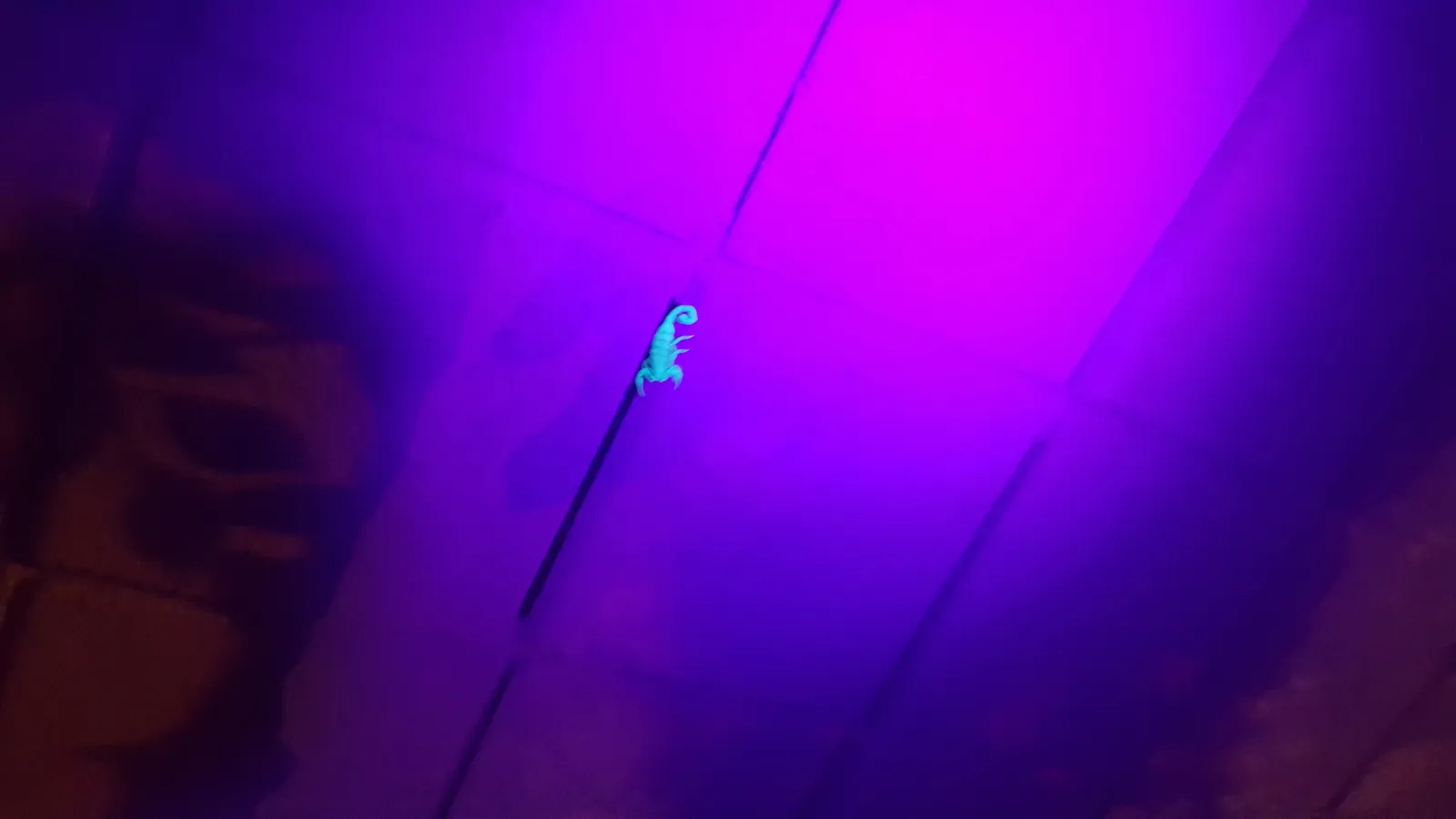
Bark scorpions glow under UV light. On a warmer evening, sweep a blacklight along the base of your house, block walls, rocks and woodpiles to see what's out there.
Use winter to get ahead of scorpion season
Scorpion calls climb through spring and peak during monsoon. Winter is a good time to close the gaps before they come out.
- Clear woodpiles, bricks, rocks and debris away from the house.
- Move stored items off outside walls.
- Trim tree branches and shrubs away from the roof and walls. Branches can give scorpions a path to the roof.
- Replace worn door sweeps and weather stripping.
- Caulk gaps around pipes, vents and other openings.
- Check window and door screens.
Bark scorpions can squeeze through gaps as thin as 1/16 of an inch. KY-KO's 25-step home sealing closes those gaps at doors, windows, weep holes, vents and pipes. We also treat for the crickets, roaches and other bugs scorpions eat. No food, no reason to stay. We recommend starting inspections in March or April to get ahead of peak season.
If someone is stung
The Arizona bark scorpion is the most venomous scorpion in North America. Stings can cause pain, numbness and tingling, but fatal stings are extremely rare. Most stings happen when someone steps on a scorpion or brushes against one on a wall.
Heads up
Clean the area and apply a cool towel. If symptoms get worse, call Arizona Poison Control or a medical professional. The University of Arizona says stings in young children or people with high blood pressure should be treated as serious; get medical help right away.
Learn more about our scorpion control service, see the Valley's most scorpion-prone areas, or read about summer scorpion season. We serve homes across the Valley.
FAQ
Are scorpions active in winter in Arizona?
Much less. Scorpions are generally active when nighttime temperatures stay above 70°F. In winter, bark scorpions slow down and stay in hiding spots.
Where do scorpions go in the winter?
They stay close: under rocks, logs, woodpiles, debris and in gaps in block walls.
Do scorpions die in the winter?
No. Bark scorpions wait out the cold and come back out when nights warm up.
Should I still treat for scorpions in winter?
Winter is a good time to seal gaps and clear hiding spots before spring. Talk to us about what fits your home.
Seeing scorpions this winter?
We'll find where they're hiding and how they're getting in during a free scorpion inspection.