
 Scorpions
 Termites
 Roaches
 Ants
Ants Spiders
 Roof rats & mice
 Bed bugs
 Bees
Bees Pigeons
 Flies
Flies
7 Facts Behind Arizona Bark Scorpion Myths
In this article
- Start with a free inspection.
- Let's break down some scorpion myths.
- #1. Bark scorpions are deadly.
- #2. Baby scorpions are more venomous.
- #3. Scorpions lay eggs.
- #4. Cats are immune to scorpion venom.
- #5. Scorpions are aggressive.
- #6. The larger the scorpion, the more deadly.
- #7. All scorpions are bark scorpions.
- Call KY-KO for a scorpion inspection.
Get the facts.
Phoenix homeowners know: when temperatures rise, it's time to start looking out for scorpions. The Arizona Bark Scorpion is the most venomous scorpion in the United States—and a common household pest here in the Valley. As the desert heat intensifies, these resilient arachnids seek out the same thing we do: a cool, hydrated environment to escape the sun. This inevitable overlap between desert wildlife and suburban living is exactly why scorpions are the most talked-about pest in Arizona.
Bark scorpions are unique in so many ways, from their ability to climb vertical surfaces to their habit of congregating in large groups during the winter months. It's no surprise that they've had their own mythology built around them, as generations of homeowners pass on stories about legendary stings, incredible survival feats, and urban legends heard over backyard fences. In a state where the wildlife can be as harsh as the climate, separating fact from fiction is essential for your peace of mind.
Understanding the reality of these creatures is the first step in effective home defense. Many common beliefs about their behavior and toxicity are rooted in fear rather than science, leading to unnecessary panic or, conversely, a dangerous lack of caution. In this article, we'll take a hard look at some of the most pervasive myths about scorpions and examine what the truth really is, helping you protect your home with confidence and clarity.
Start with a free inspection.
Here's a fact: it's hard to take on a scorpion infestation by yourself. If you want to eliminate scorpions and keep them out of your home for good, you'll need the help of our scorpion control specialists.
Here at KY-KO Pest Prevention, we help Phoenix's homeowners realize their dream of scorpion-free summers. Our multi-pronged approach to pest prevention—not just elimination—helps prevent scorpions from returning to your home.
If you suspect you might have scorpions around your home or property, click the button below and fill out the form to schedule a free inspection with our team.
Let's break down some scorpion myths.
As it turns out, there's a lot of tall tales about bark scorpions. Phoenix's homeowners have been living with them for so long that many people have passed along information that's, well, less than accurate.
Let's take a look at a few of these myths and what the truth actually is.
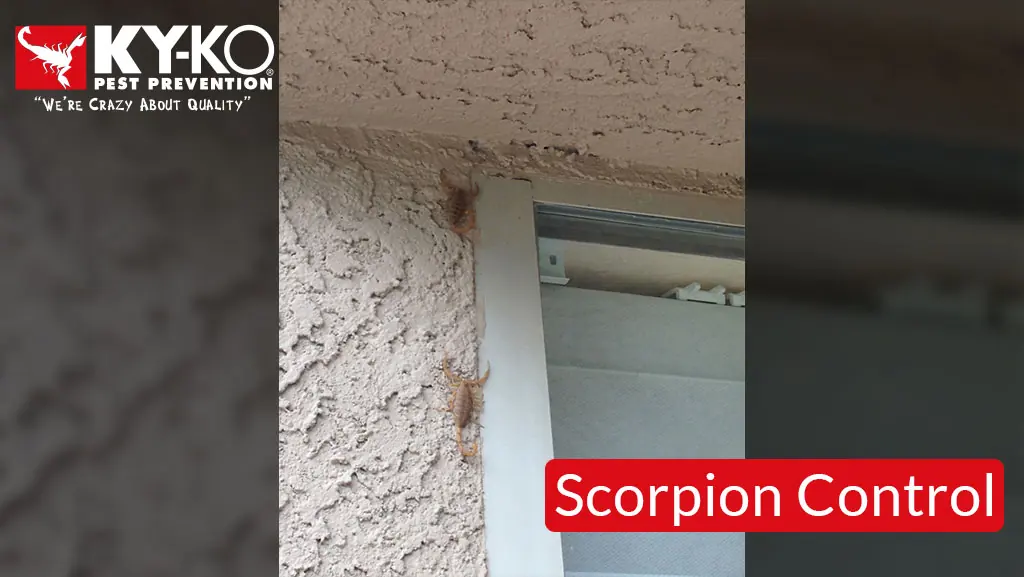
#1. Bark scorpions are deadly.
Many homeowners are terrified of being stung by a bark scorpion, and not just because it'll be a painful experience. Their life could be on the line.
What's the truth?
File this one under half-truth. The Arizona Bark Scorpion can, and has, killed human adults, and it poses an even greater threat to children and the elderly. Its venom delivers a powerful neurotoxin that can potentially be fatal. In fact, it's the only scorpion in the United States with venom potent enough to cause such severe medical distress.
Here's the thing, though: bark scorpions rarely kill people. 'Rare' actually might be an understatement: since 1968, only two people have died in Arizona of a bark scorpion sting. That's out of the people who are stung every year.
For comparison, in the past 20 years, more people have been killed by snakes, bees, wasps, and dogs. While the initial sting often feels like a sharp electric shock, most healthy adults only experience localized swelling, tingling, and temporary numbness.
The key is hospitals and antivenom. Most serious cases result in hospitalization, where Phoenix-area hospitals can administer a scorpion antivenom—just as they would for a rattlesnake bite. In other, more rural parts of the world where medical infrastructure is lacking, scorpion stings are far more deadly.
However, "not fatal" doesn't mean "not serious." Severe reactions can include blurry vision, slurred speech, and involuntary muscle twitching. Because these pests are small and agile—capable of climbing walls and squeezing through cracks the thickness of a credit card—prevention is the best medicine. Sealing your home and maintaining professional barrier treatments are essential steps to ensure these "half-truth" threats stay outside where they belong.
Scorpion stings are most dangerous for those with an allergic reaction. If your scorpion sting is causing unusual symptoms, call the Poison Control hotline immediately.
#2. Baby scorpions are more venomous.
This one's popular. Many people believe that baby or juvenile bark scorpions are more venomous—and therefore more dangerous—than adult scorpions.
What makes this myth so common? For one, there are similar myths about a lot of venomous creatures. Many people make the same assumption about rattlesnakes, for instance. In that case, researchers agree that baby rattlesnakes actually inject less venom-per-bite than their parents—although you really don't want to get bit by either!
The same thing goes for spiders. In their case, baby spiders (called spiderlings) are just as venomous, but aren't always able to puncture human skin to deliver their venom.
What's the truth?
Infant or juvenile bark scorpions are capable of delivering the same potency of venom as older scorpions. Here's where things get complicated, though: baby scorpions generally do result in a worse sting.
When threatened, many adult scorpions make a quick strike with their tail, delivering what amounts to an initial "warning shot" of venom. Adults have the experience and biological control to conserve their venom for hunting. However, younger scorpions haven't yet mastered this regulation. They tend to just latch on, stinging for longer and dumping their entire venom reservoir in a single, panicked defense. This "all or nothing" approach means the victim receives a much higher concentration of neurotoxins than they might from a measured adult strike.
Furthermore, juvenile bark scorpions are significantly harder to spot. They are often lighter in color—almost translucent—and small enough to hide in the threads of a carpet or the folds of a towel. Because you are less likely to see them coming, you are less likely to pull away before the full dose of venom is delivered.
So, this myth is half-true. They're not "more" venomous in terms of chemical strength, but they are often more dangerous because they lack the restraint of an adult and are much harder to detect before they strike.
#3. Scorpions lay eggs.
While we're on the topic of baby scorpions, let's talk about scorpion eggs. Many homeowners ask us about the possibility of scorpion eggs hatching from within their walls, or if there's a way for our treatment to get rid of eggs and nests.
We'll sometimes get asked if eggs are one of the signs of scorpions in the home.
What's the truth?
On the surface, this seems right. Scorpions are insects, and insects (and most other venomous creatures, like snakes and spiders) hatch from eggs.
Actually, scorpions are a bit of an anomaly. They give birth to live young, just like most mammals. A scorpion produces about 25-35 offspring at once. These babies are birthed in the summer.
Scorpion infants are carried by the mother on her back until about three weeks after birth, at which point they venture off on their own.
Here's what this means for your home: if you see either a baby scorpion, or a mother scorpion carrying her young, it means there's more of them around. While there aren't any eggs to deal with, you'll still want to act decisively to deal with the infestation.
#4. Cats are immune to scorpion venom.
Here is the updated section with approximately 100 added words, focusing on the biological realities of pets vs. scorpions and the specific risks involved.
The ancestors of today's house cats are believed to have originated in the deserts of north Africa—a region known for housing several species of venomous scorpions. This has led many people to believe that cats are immune to scorpion venom altogether.
What's the truth?
Your cat is not immune to scorpion venom. This myth probably came about as the result of several close calls, where a scorpion nearly stung a cat, but didn't actually make contact. Cats also generally attempt to hide signs of pain or weakness more than dogs (or humans, for that matter), which may be misinterpreted as "immunity." While their desert-dwelling ancestors may have developed keen hunting instincts, they never developed a biological "shield" against neurotoxins.
Cats are adept at avoiding and hunting scorpions. For one, their night vision allows them to better make out scorpions in dark or dim conditions. Their thick fur provides them some protection from lunging stings, acting as a natural buffer, and their overall agility allows them to dodge the scorpion's attempt to sting them. However, a well-placed strike to the nose, paw, or underbelly can still be incredibly dangerous.
In fact, because cats and dogs are often smaller than adult humans, the venom-to-body-weight ratio can make a sting much more localized and intense. Pets may experience drooling, watery eyes, or even tremors and respiratory distress if the sting is severe. It is a common misconception that their "toughness" will see them through; in reality, their smaller systems can be overwhelmed quite quickly by the Arizona Bark Scorpion’s potent venom.
It's still very possible for cats and dogs to get stung, especially if they corner a scorpion in a laundry pile or under a couch. When this happens, call your veterinarian immediately and describe the symptoms. They may advise you to bring your pet in for observation as a precaution, as antihistamines or specialized care may be required to manage the pain and potential neurological side effects.
#5. Scorpions are aggressive.
This one probably originates from Hollywood b-movies that showed giant scorpions terrorizing cities and running down people. People also probably get this myth from the fact that there are other venomous pests—such as wasps—that will seemingly go out of their way to sting you.
What's the truth?
Scorpions mainly use their venom for hunting their prey. When dealing with something larger than themselves, they'll use their tail in self-defense, but will typically attempt to hide or flee first. Unlike social insects like hornets or bees, scorpions have no "nest" to defend and gain nothing by picking a fight with a human. They are opportunistic hunters, not aggressive warriors, and would much rather save their energy—and their venom—for their next meal.
Most scorpion stings occur when people accidentally brush up against the scorpion or step on it—not as the result of the scorpion going out of its way to sting someone. Because bark scorpions are nocturnal, they spend their nights seeking moisture and darkness. This often leads them into shoes, bedsheets, or damp towels. When a human reaches for that towel or slides their foot into a boot, the scorpion strikes out of a fear-based reflex, feeling trapped against your skin.
That being said, scorpions are not bees, where the sting is a matter of life-and-death, last resort. They will sting if cornered or even slightly nudged. It is also important to remember that bark scorpions are the only US species that can climb vertical surfaces, meaning they might "drop" from a ceiling or wall if disturbed, which can certainly feel like an attack even if it's just a clumsy escape attempt. Always treat a scorpion—alive or seemingly dead—with caution and use a tool or heavy shoe for removal rather than your bare hands.

#6. The larger the scorpion, the more deadly.
The bigger the scorpion, the more dangerous it is. Large scorpions carry more venom in larger tails, making them more of a threat.
What's the truth?
There's no direct correlation with size and venom toxicity. We see this in snakes (rattlesnakes are smaller than anacondas, which are non-venomous) and in spiders (black widows versus tarantulas). It's true for scorpions, too. In the world of arachnids, a massive physical presence often means the creature relies on brute strength rather than chemical warfare to subdue its prey.
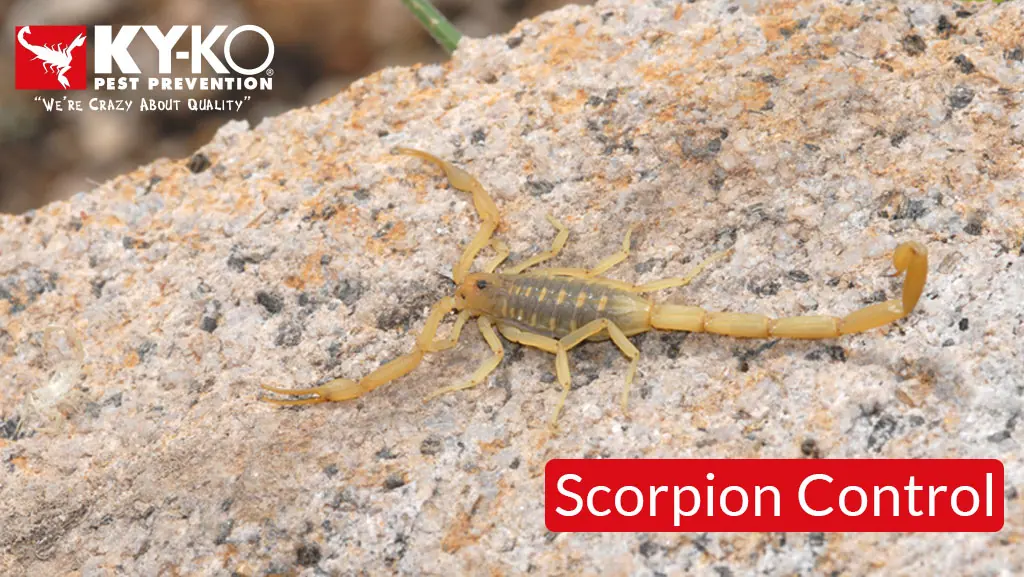
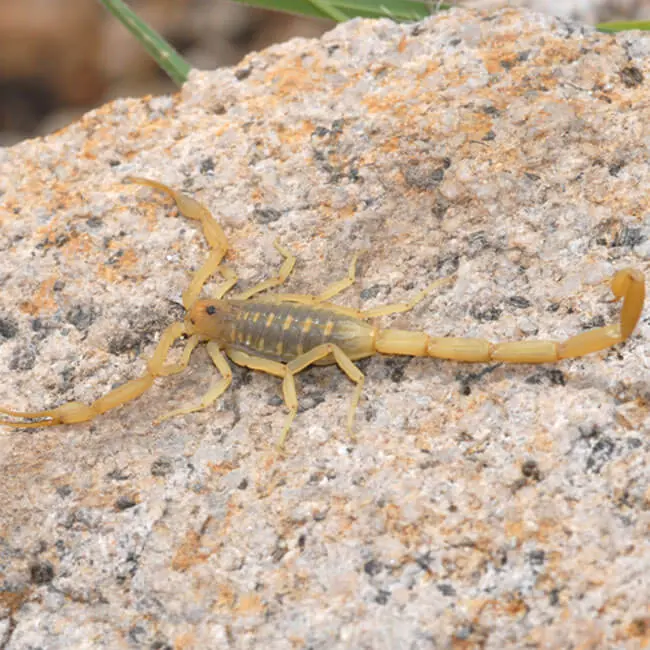
In fact, bark scorpions are one of the smallest species in the United States, usually measuring only about 2.5 to 3 inches long. It's far from physically imposing: it has a slender body, a light tan color, and typically carries its tail curled up at its side rather than over its back. None of this stops it from being the most venomous scorpion in the country, however. Its small size is actually its greatest weapon, allowing it to remain nearly invisible in residential environments until it's too late.
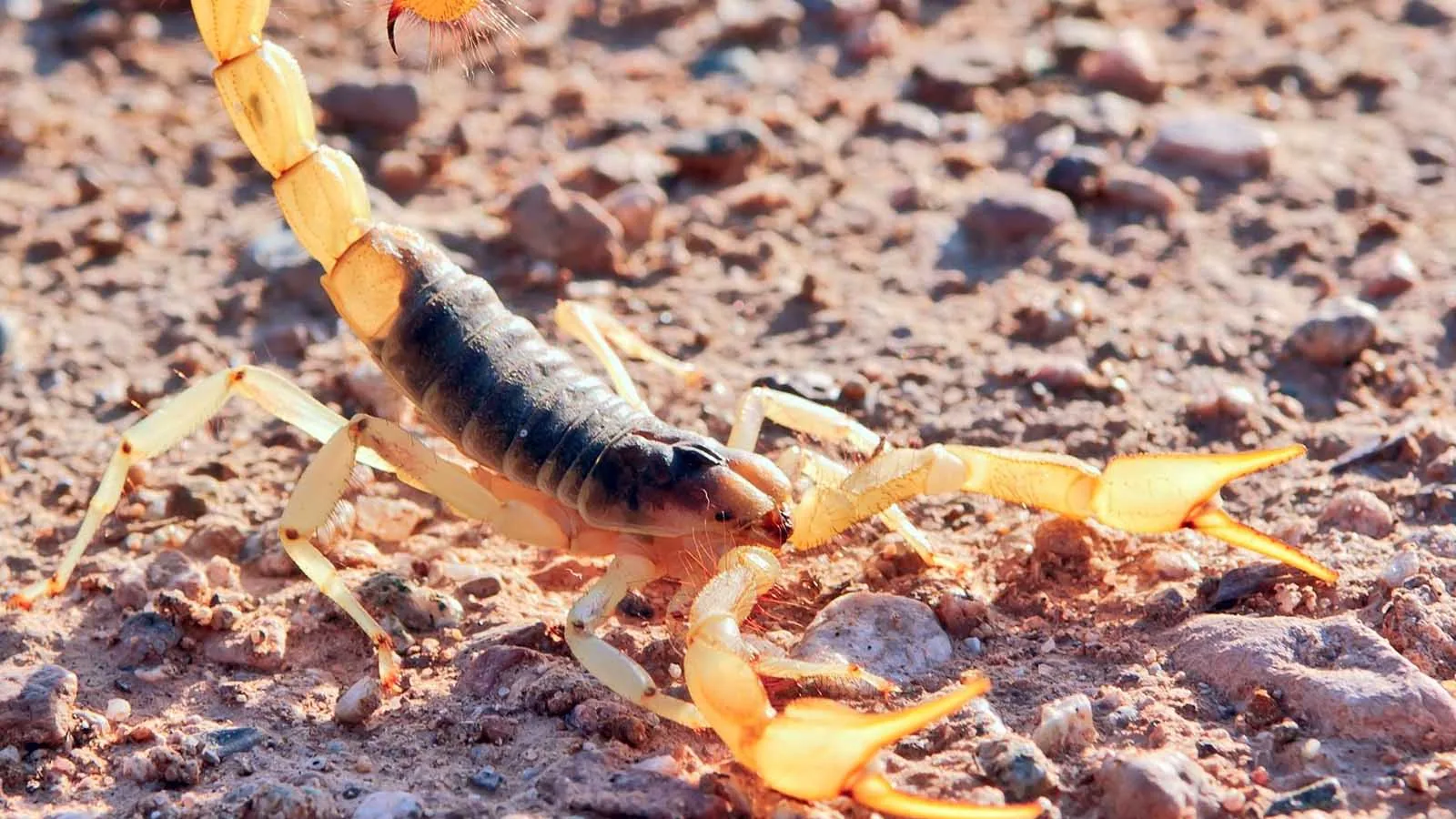
A good rule of thumb for scorpions is to look at the pincers versus the tail. Scorpions with large, beefy pincers—like the Giant Hairy Scorpion—use their strength to crush prey and typically have weaker venom. In contrast, scorpions with thin, delicate pincers, like the Arizona Bark Scorpion, rely almost entirely on their potent neurotoxic sting to do the heavy lifting.
The Giant Hairy Scorpion—the country's largest and a common inhabitant of Arizona's deserts—can grow up to 6 inches long. While its size is intimidating, its sting is much less venomous, typically on par with that of a honeybee. You might be more afraid of the "giant" in your garage, but it’s the tiny, translucent bark scorpion hiding in your baseboards that you really need to watch out for.
#7. All scorpions are bark scorpions.
When most homeowners see a scorpion in or around their home, they automatically assume it's a bark scorpion. Are they right?
What's the truth?
This is far from the truth, but—for all practical purposes—might as well be true for Phoenix homeowners. While the Sonoran Desert is home to dozens of different scorpion species, it's the Arizona Bark Scorpion that has most successfully colonized the Valley's neighborhoods and homes. Their biological adaptability allows them to thrive in the lush, irrigated environments of suburban backyards, which offer a constant supply of water and crickets.
While other species like the Desert Hairy or the Stripetail can be encountered in areas where the city meets the desert, most other scorpions live apart from humans. They are ground-dwellers that prefer underground burrows or the deep soil under heavy rocks. Their inability to climb vertical surfaces or squeeze into tight spaces—the specialties of the bark scorpion—makes them much less likely to invade homes looking for prey. A Desert Hairy scorpion, for example, is physically incapable of climbing up your drywall to hide in a ceiling corner.
The Bark Scorpion, however, is a thigmotactic creature, meaning it loves the feel of tight spaces. This instinct drives them to seek out the narrow gaps behind baseboards, inside wall voids, and within structural crevices. Because they are also one of the few species that are "gregarious"—meaning they often congregate in groups—finding one inside often indicates there are others nearby. So, while it’s statistically possible you’ve found a different species, if it’s inside your home or hanging from a wall, the odds are overwhelmingly high that it is indeed a Bark Scorpion.
Call KY-KO for a scorpion inspection.
We offer free scorpion inspections to homeowners in the Phoenix metro area. Our experienced technicians can determine whether your home has a hidden infestation and take safe, professional steps to remove the scorpion population once and for all.
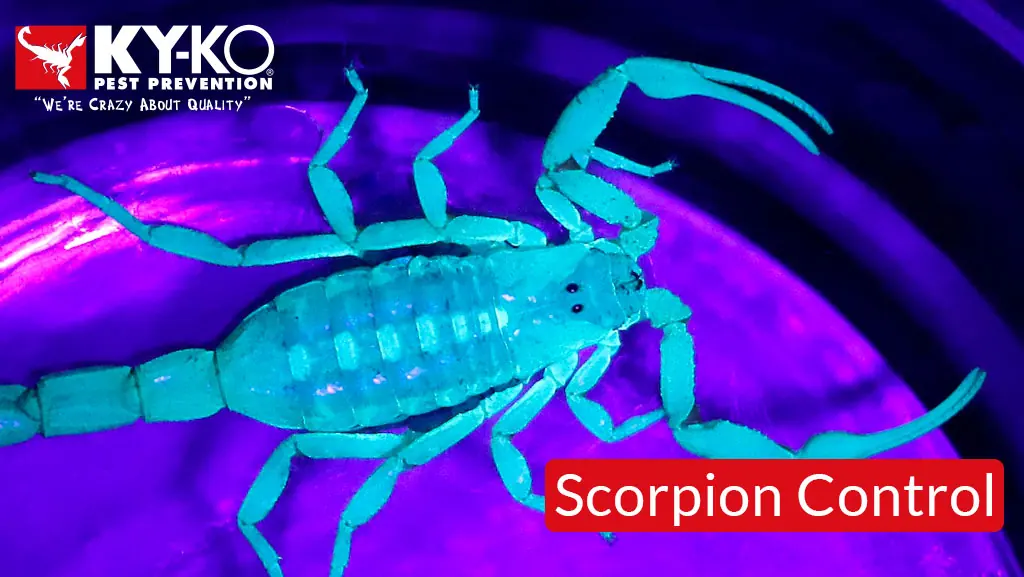
A professional inspection goes far beyond just looking under rocks. We utilize specialized tools, including high-intensity ultraviolet blacklights, to track these nocturnal pests in the dark, and we conduct a "structural audit" of your property to find the tiny entry points you might miss. Scorpions can squeeze through gaps as narrow as a credit card, meaning that every pipe penetration, weep hole, and worn door sweep is a potential doorway into your living room. Our team doesn't just treat the symptoms; we address the root cause by identifying the insect populations that provide a food source for scorpions in the first place.
By choosing a professional barrier treatment, you aren't just reacting to the pests you see—you’re building a long-term defense system that prevents future generations from moving in. We'll also help dispel any other Arizona bark scorpion myths by answering your specific concerns and providing you with a customized prevention plan to keep your family and pets safe year-round.
Ready to take back your home? Schedule your free inspection today and let us give you the peace of mind you deserve.