
 Scorpions
 Termites
 Roaches
 Ants
 Spiders
 Roof rats & mice
 Bed bugs
 Bees
 Pigeons
 Flies

Termites in your garage: what those mud tubes mean
In this article
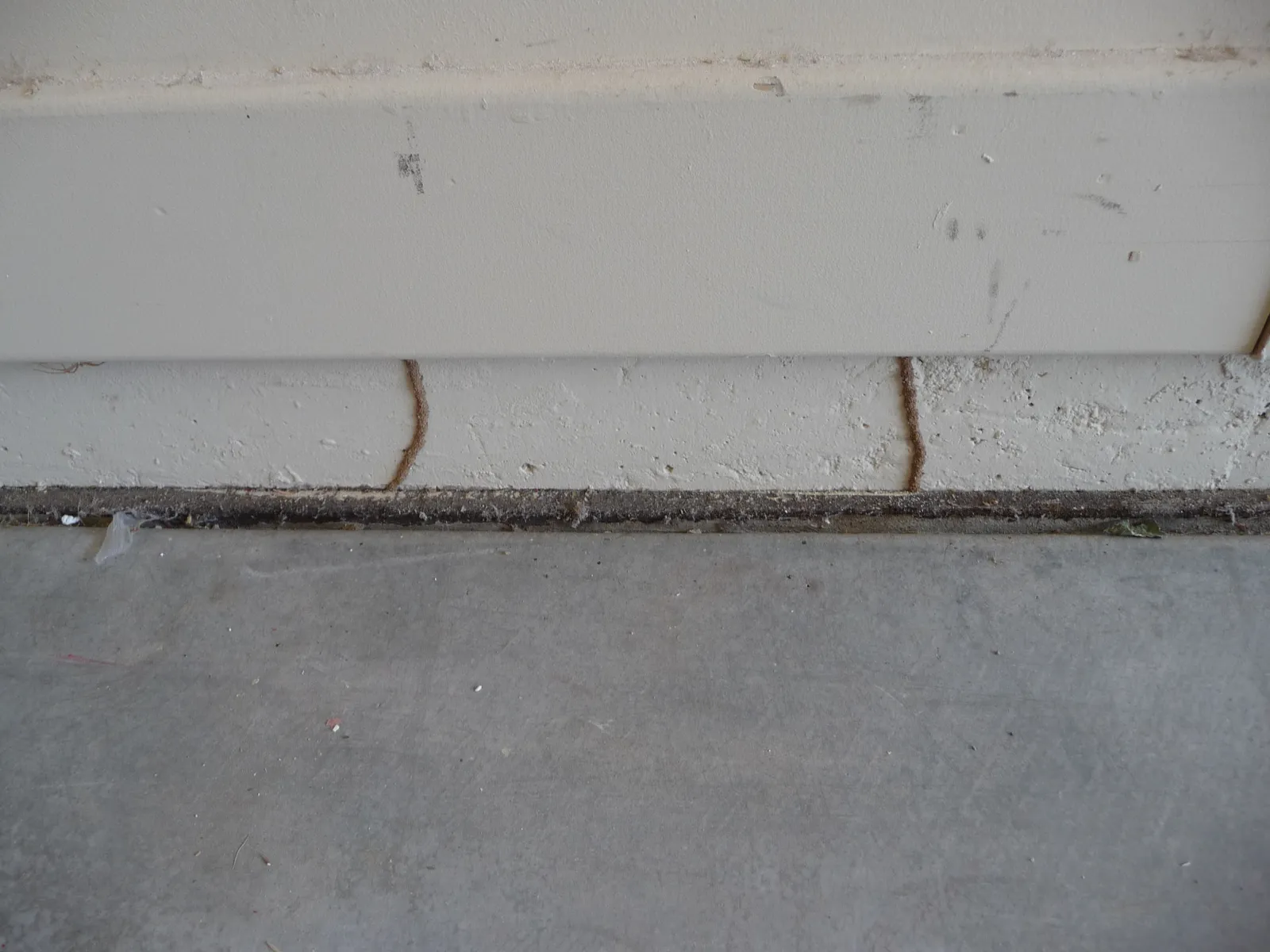
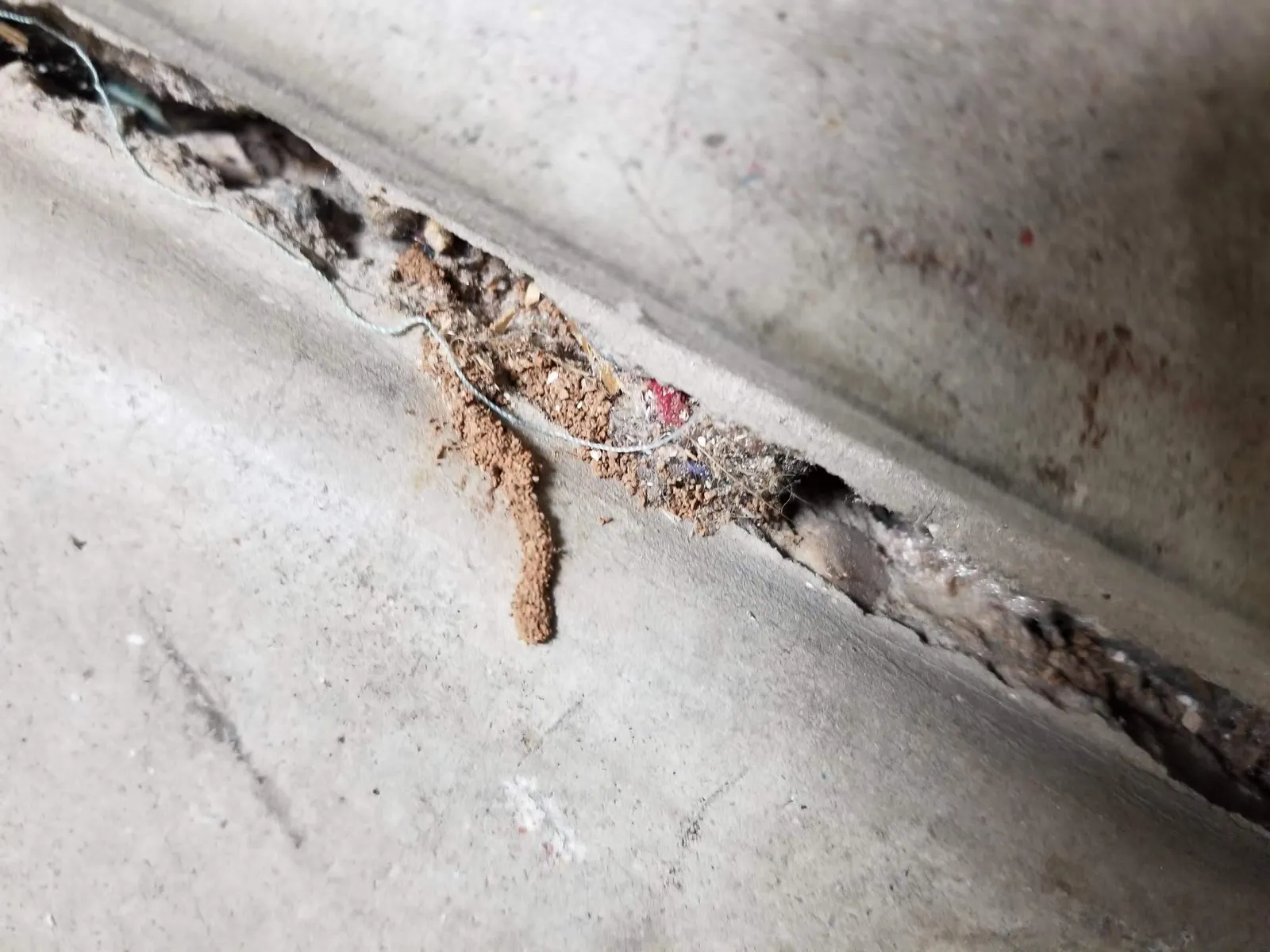
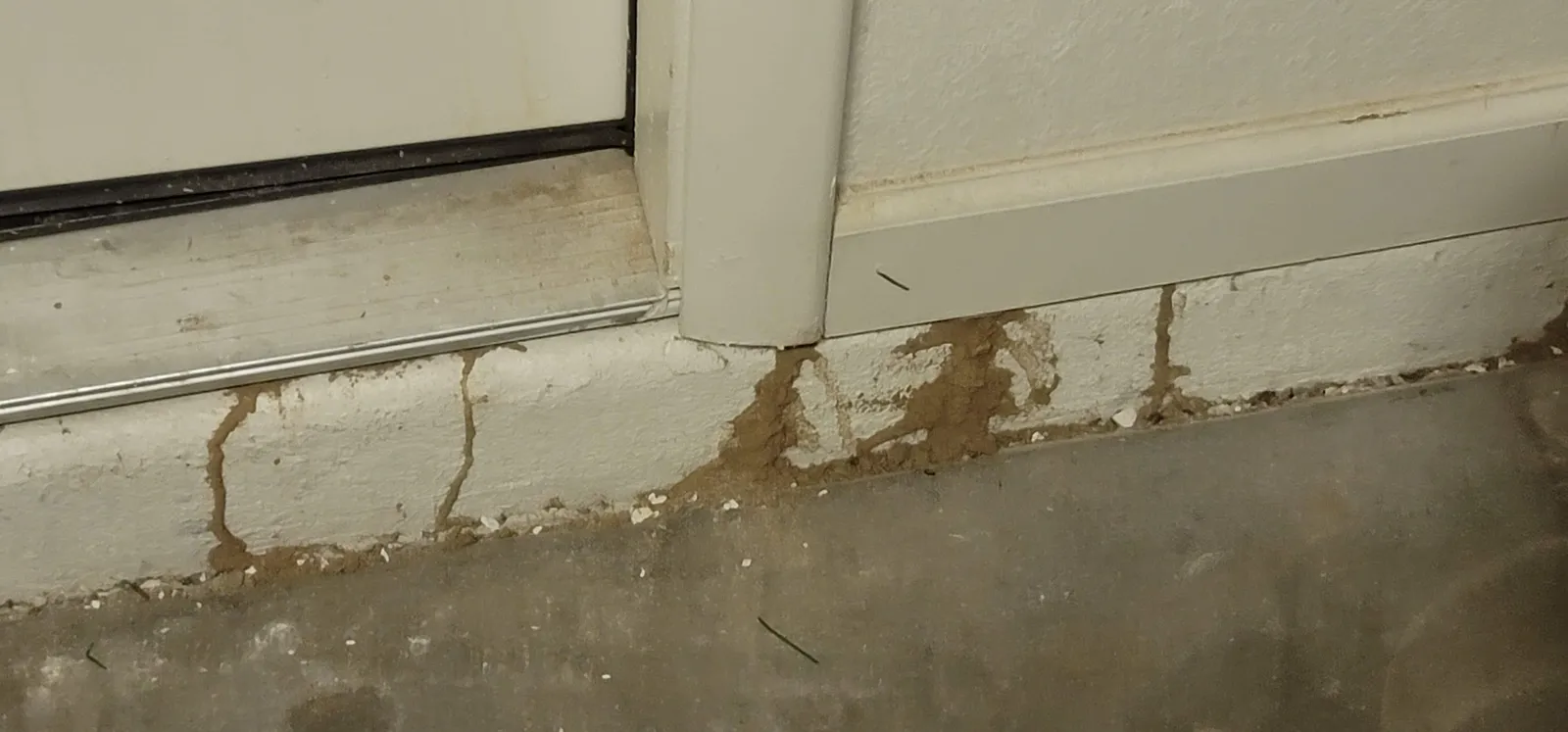
Thin, dirt-colored lines running up your garage wall or across the floor are mud tubes. They mean subterranean termites are traveling from the soil to wood at your home. Don't knock them down and hope. Have the whole home inspected.
As one Valley caller put it, "I noticed we have some termite tunnels in our garage." Here's what the tubes are, why termites show up in the garage, and what to do next.
What those mud tubes are
Subterranean termites live underground and need moist soil to survive. To reach wood above ground, they build tubes out of soil, waste and bits of wood, according to the University of Arizona Cooperative Extension.
The tubes are about pencil-width. They let workers travel up the stem wall without ever touching dry air or light. In the Valley, the desert subterranean termite is the most common and most problematic species.
Why termites show up in the garage
Garages give termites an easy path and plenty to eat.
- Cracks and joints in the slab. Subterranean termites often come in through expansion joints or cracks in garage slabs. They don't tunnel through solid concrete; they use openings that are already there.
- Food in storage. Desert subterranean termites eat more than wood. They also eat paper, cotton and other plant-based materials, so stacks of cardboard boxes are an easy meal.
- Moisture. Irrigation, leaks and poor drainage keep soil damp next to the house, which termites need.
Look for tubes running up walls, along baseboards, out of floor cracks, or even along items stored against the wall.
Does a tube in the garage mean termites are in the house?
Not always, but treat it as a warning for the whole home. Tubes on a foundation are usually a sure sign that a building is infested, according to Mississippi State University Extension. An attached garage sits on the same foundation as the rest of your home.
Termites stay hidden underground and can damage a home for a long time before you see any sign. That's why it's worth having the whole house checked, not just the spot you found.
Old tubes or active ones?
If a tube is dry and crumbles when touched, the termites may have moved on. That's far from a guarantee. A dry tube can simply mean termites used it to get in and are now somewhere else in your home. Active tubes are usually still damp and may have termites inside.
Either way, scraping a tube off the wall won't solve anything. The tube is only the outward sign of a colony in the soil, and termites can find another way in.
What to do next
- Leave the tubes in place so a technician can check them.
- Take a photo and note where each tube is.
- Skip store-bought sprays. A colony lives underground, out of reach.
- Move cardboard boxes off the floor and away from the walls. Plastic bins are a better choice.
- Fix dripping hose bibs, leaky sprinklers and drainage that pools near the house.
- Keep wood, mulch and stored lumber from touching the soil next to the house.
- Call for a free termite inspection.
Pro tip
Take a photo before you call so you can show the technician exactly where you saw the tubes.
Seeing tubes after your home was treated
It can happen: new tubes show up in the garage even after a home has been treated.
Termites like to come back to homes they've been in before. Even after a colony is wiped out, the scent trails they left behind can draw in new termites. That's why homes with a termite history need regular inspections for years.
KY-KO's termite treatment comes with a complimentary 1-year warranty. If you see new termite activity in the 12 months after our service, we'll come back and reapply the treatment. The warranty stays with the property if you sell. Longer warranties are also available.
How KY-KO handles termites in the garage
- Free inspection: a termite specialist checks the garage and the rest of your home for tubes, damage and active termites.
- Treatment plan: if we find activity, we review your options and build a plan for your home.
- Barrier around the stem wall: we trench around the stem wall and apply an EPA-approved treatment. It forms an invisible barrier that blocks termites coming up from the soil.
- Re-inspection: we come back to make sure the treatment is working.
Learn more about our termite control service, read what to do when you find termite tubes, or see our tips for keeping other pests out of your garage and outdoor spaces. You can also see the areas we serve.
FAQ
Are termites in the garage a sign they're in my house?
They're a sign termites are active at your home's foundation. An attached garage shares that foundation, so have the whole house inspected.
Can I just remove the mud tubes?
Removing a tube won't get rid of termites. The colony lives in the soil and can build new tubes. Leave them for a technician to check.
Why do termites keep coming back in my garage?
Termites are drawn back to homes they've infested before, and cracks or joints in a garage slab give them a way in. Regular inspections catch new activity early.
Do termites eat cardboard boxes?
Yes. Desert subterranean termites eat paper and other plant-based materials, not just wood. Store items in plastic bins off the floor.
Found mud tubes in your garage?
Leave them in place and call us. We'll check the garage and the rest of your home during a free termite inspection.